January 29, 2026 • 7 min. read
Chipotle Jalapeño Pepper
If you love a little heat but crave depth more than just spice, the chipotle jalapeño pepper is one of the most exciting ingredients you can bring into your kitchen. It’s bold, smoky, slightly sweet, and rich—turning everyday meals into something that tastes slow-cooked, fire-roasted, and unforgettable.
Unlike many hot peppers that simply “burn,” chipotle offers a balanced warmth that comes with layers of flavor. It’s the kind of spice that makes food taste more complete: more savory, more satisfying, and more memorable.
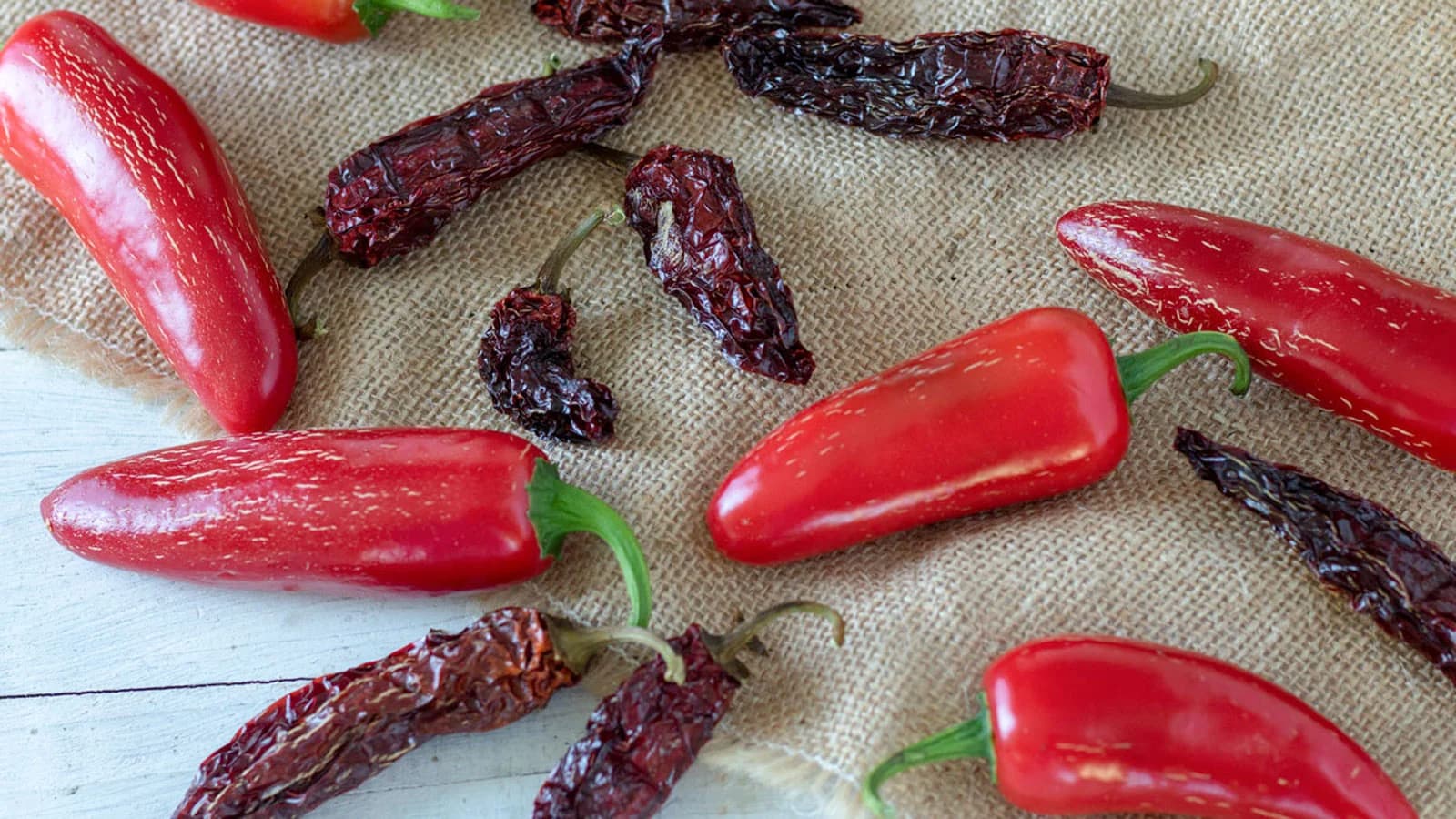
Whether you’re making sauces, marinades, soups, or grilled dishes, chipotle delivers a signature warmth that feels comforting rather than overwhelming.
What Is a Chipotle Jalapeño Pepper?
A chipotle pepper is simply a ripe jalapeño that has been smoked and dried.
Jalapeños start out green, but when left on the plant longer, they mature into a deeper red. At this stage, they become naturally sweeter, fruitier, and more flavorful. Once fully ripened, the peppers are slowly smoked and dried, which preserves them and intensifies their taste.
So, chipotle isn’t a different pepper variety—it’s a transformation of the jalapeño.
That transformation is what makes chipotle special. Fresh jalapeños are crisp and grassy with a bright bite. Chipotle peppers, on the other hand, become dark, wrinkled, and deeply fragrant, with a flavor that feels roasted, earthy, and bold.
What Does Chipotle Taste Like?
A chipotle pepper is simply a ripe jalapeño that has been smoked and dried.
Chipotle Flavor Profile
Here’s what you can expect:
- Medium heat (noticeable but not overpowering)
- Deep smokiness
- Subtle sweetness
- Earthy and slightly bitter undertones
- A roasted, almost barbecue-like richness
- Warm, lingering spice that builds slowly
That smoky quality is the star of the show. It’s not “burn-your-mouth” heat—it’s flavor-forward heat, the kind that enhances everything around it.
This is exactly why chipotle works so well in dishes that need more depth. It can make simple foods taste complex, and it can add a “grilled” vibe even if you’re cooking indoo
How Spicy Is Chipotle?
Chipotle peppers are typically medium heat, since jalapeños sit in the middle of the chili heat spectrum. However, the spice level can vary depending on the pepper and how it’s prepared.
Chipotle’s heat feels different from fresh chilies because it’s often blended into sauces or cooked into dishes. Instead of hitting your tongue sharply, it spreads into a smooth warmth that grows gradually. It’s less of a “sting” and more of a slow, smoky burn.
Chipotle Heat Tips
If you’re new to chipotle or sensitive to spice:
- Start with small amounts
- Taste as you go
- Remember that chipotle becomes stronger as it cooks and concentrates
- Balance it with creamy ingredients like yogurt, sour cream, or mayonnaise
Chipotle is powerful, especially in concentrated forms like paste or powder. Even a pinch can change an entire dish.
How Chipotle Peppers Are Made
The chipotle-making process is what gives the pepper its signature aroma and flavor. Unlike air-dried chilies, chipotle peppers are smoked slowly, allowing the smoke to sink into the flesh.
Step-by-Step Process
- Jalapeños are left to ripen fully on the plant until red
- Peppers are slowly dried over smoke (often wood-based)
- The process can take several days, concentrating flavor and aroma
- The result is a wrinkled, dark pepper with intense fragrance and a deep smoky taste
This slow smoking method doesn’t just dry the pepper—it transforms it. The jalapeño’s natural sweetness becomes more noticeable, the flavor becomes more concentrated, and the smoke adds that unmistakable “fire-roasted” personality.
That’s why chipotle doesn’t taste like any other chili. It’s not just spicy—it’s smoky, rich, and bold in a way that feels almost savory.
Common Forms of Chipotle Peppers
Chipotle peppers are used around the world, and you'll commonly find them in a few different forms. Each one has its own strengths depending on how you cook.
1) Whole and Dried Chipotle Peppers
These are the classic chipotle pods—dark, wrinkled, dried peppers.
Best for:
- Homemade sauces
- Soups and stews
- Slow-cooked dishes
- Rehydrating and blending into marinades
How to use:
Soak them in hot water for 15–20 minutes, then blend into a paste or sauce.
2) Chipotle Powder
Chipotle powder is made by grinding dried chipotle peppers into a fine spice.
Best for:
- Dry rubs
- Roasted vegetables
- Popcorn seasoning
- Grilled meats
- Sprinkling into soups or beans
Why it's great:
It's fast, easy, and adds instant smoky heat without extra liquid.
3) Chipotle in Adobo Sauce
This is one of the most popular versions: smoked chipotle peppers preserved in a tangy, seasoned sauce.
Best for:
- Taco sauces
- Marinades
- Dips
- Creamy spreads
- Adding depth to stews and chili
Why it's great:
You get smoky heat plus a rich sauce that adds complexity immediately.
Why Chipotle Works So Well in Cooking
Chipotle isn't just a spicy ingredient—it's a flavor builder. It adds depth, warmth, and richness in a way that makes food taste "complete."
Chipotle adds:
- A smoky backbone
- A roasted finish
- A subtle sweetness
- A slow, warming spice
This makes it perfect for everyday meals that need a little boost—like chicken, rice bowls, vegetables, soups, eggs, and even sandwiches.
Best Ways to Use Chipotle Jalapeño Pepper
One of the best things about chipotle is how versatile it is. You can use it in quick meals, slow-cooked dishes, or even fancy recipes where you want a smoky, gourmet finish.
1) Make a Smoky Chipotle Sauce
Chipotle makes an amazing sauce base. Just blend chipotle with:
- Garlic
- Lime juice
- A little salt
- Yogurt, sour cream, or mayo (for creaminess)
This becomes a dip, spread, taco sauce, or drizzle for bowls.
2) Add It to Marinades
Chipotle is perfect for marinades because it clings to food and cooks beautifully.
Try mixing chipotle with:
- Olive oil
- Garlic
- Lime
- Honey or brown sugar
- A pinch of cumin
It's great on chicken, beef, prawns, tofu, mushrooms, or roasted vegetables.
3) Upgrade Soups and Stews
Chipotle adds a "slow-cooked" taste even in fast recipes.
It works especially well in:
- Tomato soup
- Black bean soup
- Lentil soup
- Pumpkin soup
- Chili-style dishes
Even a small amount can make the whole pot taste deeper and richer.
4) Use It as a Dry Rub or Seasoning
Chipotle powder is perfect for seasoning:
- Roasted potatoes
- Corn
- Grilled vegetables
- Popcorn
- Fries
- Meat rubs
It pairs well with paprika, cumin, garlic powder, and salt.
5) Add It to Breakfast
Chipotle can make simple breakfast foods taste exciting:
- Scrambled eggs
- Breakfast wraps
- Avocado toast
- Omelets
- Breakfast potatoes
A tiny pinch adds warmth without overpowering the dish.
What Ingredients Pair Best with Chipotle?
Chipotle is smoky and bold, so it shines when paired with ingredients that balance or enhance it.
Perfect pairings include:
- Lime or lemon (brightens and cuts through the smoke)
- Garlic (adds savory depth)
- Tomatoes (makes it richer and more sauce-friendly)
- Cumin and paprika (classic smoky spice blend)
- Honey or brown sugar (balances heat with sweetness)
- Creamy ingredients (mayo, yogurt, sour cream)
- Beans and corn (chipotle + beans is a perfect match)
- Avocado (smooth and cooling)
The best chipotle dishes usually include either:
- something acidic, or
- something creamy, or
- a little sweetness
That balance is what makes chipotle taste bold without being harsh.
How to Store Chipotle Properly
Chipotle keeps well, but proper storage helps preserve its aroma and flavor.
Chipotle Powder
- Keep in an airtight container
- Store away from heat and light
- Best used within a few months for strongest flavor
Chipotle in Sauce
- Refrigerate after opening
- Keep in a sealed jar/container
- Freezes well for long-term storage
Whole Dried Chipotle Peppers
- Store airtight in a pantry
- Keep away from moisture
- Can last a long time while staying flavorful
Pro tip: If you have leftover chipotle in sauce, blend it into a smooth paste and freeze in small portions (like ice cube trays). Then you can grab a cube anytime you want smoky heat.
Chipotle: More Than Just Heat
Chipotle jalapeño pepper is loved worldwide for one reason: it doesn't just add spice—it adds personality.
It tastes smoky like a grill, warm like a slow stew, and bold like a seasoning blend that took hours to develop. With just a little chipotle, food becomes richer, deeper, and more satisfying.
If you haven't cooked with chipotle before, start small. One pinch, one spoon, one pepper—then taste the difference. Once you experience that smoky depth, chipotle quickly becomes one of those ingredients you reach for again and again.
Chipotle.com.au is For Sale.
This premium domain is available for purchase. If you’re interested in acquiring chipotle.com.au, send an inquiry below and we’ll get back to you with pricing and next steps.